Mountnessing C of E Primary School To unlock every child's potential as a unique child of God.
Collective Worship
Mountnessing CE Primary School is committed to offering high quality collective worship.
Our school is a place that recognises and values collective worship as central to fostering a sense of community and to expressing the school’s Christian vision.
In practice, this means that structure, planning, evaluation, participation, collaboration, and inspection of worship are all taken seriously by the school.
Collective worship is seen as more than a daily ‘awe and wonder’ moment. It is the unique heartbeat of the school and is offered as part of a wider opportunity for pupils and adults to encounter faith by engaging in conversations about God, both as individuals and together.
This form of encounter through worship is truly welcoming, inclusive, invitational and exemplifies the principles of Christian hospitality. This is an approach that seeks to meet the needs of all, wherever they may be on their journey of faith and belief.
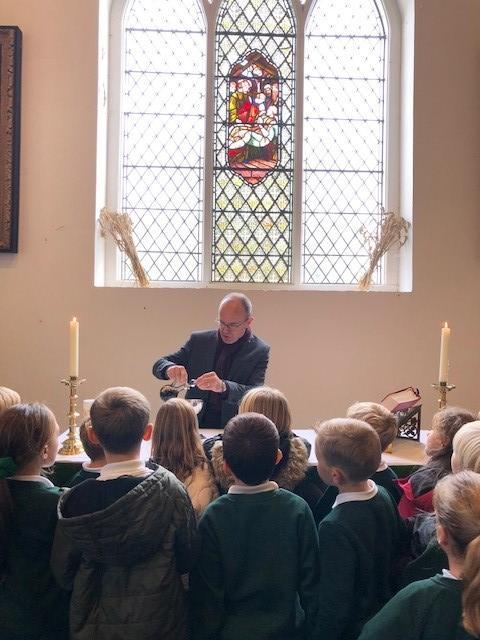
Collective Worship at our school is a joyous, sacred and spiritual experience where the community comes together to thank, celebrate and receive wisdom and inspiration.
This enables participants to:
-
feel a sense of connection and belonging with the school community through shared experiences.
-
experience opportunities for personal reflection, self-awareness, transformational change and spiritual growth
-
seek inspiration, wisdom and enlightenment for living a life in all its fullness (John 10.10)
-
appreciate and celebrate the beauty and mystery of creation and source of human achievement within the school community and beyond
-
nourish, nurture and deepen those with faith
-
consider how scripture can provide comfort, encouragement, inspiration and illustrates God's love, faithfulness, and the transformative power of faith.
-
respond through active involvement including reflection, prayer and songs of praise.
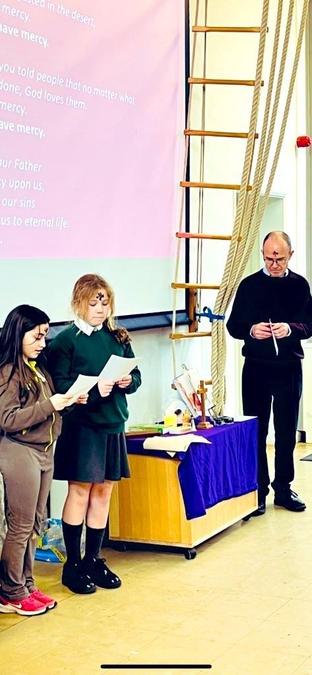
The structure of Collective Worship
-
Welcome and gathering with music, a song and a reflection
-
Opening, as we light the candle
-
Artifacts or pictures on the worship table act as a focal point to help gather the children together.
-
Adult input such as telling stories, sharing experiences or performing drama. This is linked to our spirituality window moments, and they learn something new. The children are involved as much as possible; this may be through sharing their own ideas and experiences, listening to a story, answering questions, or taking part in drama.
-
Children and staff involved in worship are invited to consider what impact this has on them today – this links to our spiritual mirror moments.
-
Reflection: A time of reflection on the teaching, including stillness and silence. This links to a spiritual door moment and children and staff are encouraged to reflect on what they can do with this moving forward.
-
A prayer links to our spiritual candle moments
-
A song
-
Closing and snuffing out the candle – to show that we take God's word with us.
Anglican traditions
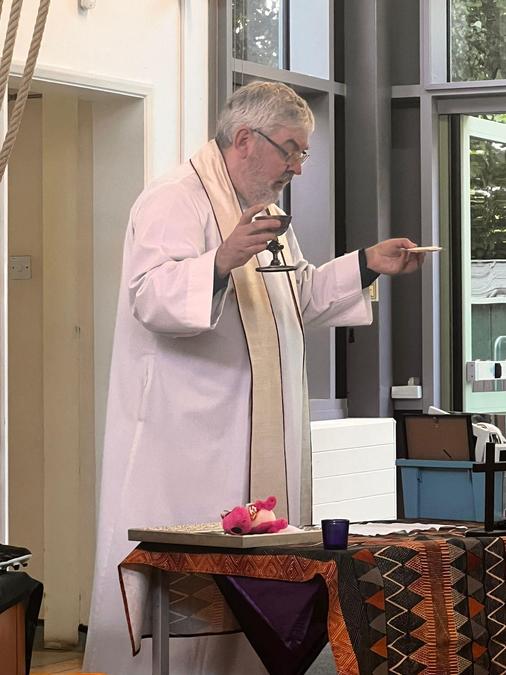
Collective Worship is rooted in a number Anglican traditions including:
-
Gathering and greeting through music, actions, symbols or words
-
A central focal point e.g a table, symbols
-
Prayer including Anglican prayers e.g The Lord’s Prayer
-
Responses e.g Amen, Peace be with you.
-
Hymns/music
-
The Bible as a source of inspiration and learning
-
Signs and Symbols
-
Candles
-
Moments of silence for pause and reflection
-
Celebration of special events in the Christian calendar
-
Regular pattern of worship including rituals and routines e.g. prayer at the end, hands together,
-
Colours to reflect the churches year e.g purple at advent, lent, white at Easter, Christmas, red Pentecost, green rest of the year
Spirituality in Collective Worship
Collective Worship aims to provide a time and space for reflection, contemplation, and sometimes spiritual development within a school community. We link our shared understanding of spirituality through all moments of Collective Worship and use the windows, mirrors, doors and candle moments to connect us.
This might include incorporating stories, music, art, meditation, prayer, silence and reflection activities that resonate with children's lived experiences and cultural perspectives.
Above all, Collective Worship can provide children with a holy moment and a safe space to connect with something greater.